
This year, festive sales are expected to push up the annual gross merchandise value of e-commerce companies to around $38 billion, a 40 per cent growth over the previous year.

The size of the Indian financial services market could touch around $340 billion in the next few years.

A slew of Indian firms, including Flipkart, Byju's and Zomato, is building a path to profitability and diversifying into newer business segments ahead of mega-IPO plans.

'The reality is no one, including some of the names that have shown up in the last few weeks, have any unilateral decision-making power in this,' Facebook India MD Ajit Mohan tells Peerzada Abrar.

As a venture partner, DVP said that Neemuchwala would be bringing deep technology expertise and invaluable experience of building businesses.
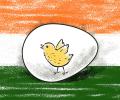
Seed and early-stage start-ups are high-risk businesses, rarely have collateral and only 1 in 10 of them makes it to becoming a viable company.

The applications range from disaster recovery to predicting demand and understanding customer choices using artificial intelligence.

Simplilearn said the pandemic had accelerated demand for skills in areas such as artificial intelligence, cloud computing, data science and cybersecurity.

The consumer buying patterns and preferences have changed significantly with categories like health and pharma, FMCG and agriculture seeing a surge and exponential growth along with the rising number of first-time online shoppers.

While salary growth may range from a marginally positive to stagnant or even negative, the increment for some of the "super-specialised" profiles can go beyond 15%.

Instead of making the sellers bleed, experts say, e-commerce giants Amazon and Flipkart have roped in banks to offer discounts to buyers.

Bajaj sold his 18-month-old start-up WhiteHat Jr to Byju Raveendran for $300 million in an all-cash deal - over the video conferencing platform Zoom. The deal is the biggest in the Indian edtech sector by far.
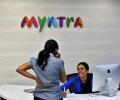
As part of the next step, Myntra plans to popularise the brand further by making the collection accessible to customers in unexplored markets in India.

Niyo is also offering bonuses and ESOPs, taking the total stock grants to over Rs 100 crore for all eligible employees.

India's shift towards US companies for technology investments and partnerships fits well with the present government's 'Atmanirbhar Bharat' and 'Make in India' initiatives, say experts.

There are several discussions going around in the e-health sector for consolidation with key players being PharmEasy, 1mg, Medlife and Netmeds. According to reports, Reliance Jio is in talks with Netmeds to acquire the latter.

From scanning hospital entrants to disinfecting hospital areas and floors, robots are being roped in for tasks considered high-risk, says Peerzada Abrar.

The development comes amid a growing clamour for the boycott of Chinese products in India, combined with the government's push for Aatmanirbhar Bharat.

Students may choose between weekday and weekend batches, and attend scheduled online maths and science classes based on their school curriculum.

According to experts, the banning of the apps has created negative sentiments and reduced the confidence among the Chinese investors to invest in India.
 © 2026 Rediff.com - Advertise with us - Disclaimer - Privacy Policy - Sitemap - Feedback - About us - Terms of use - Grievances